
Services
Oral Surgery
When a tooth can't be saved, we take it out as gently as possible and help you plan what comes next.

Extraction of a tooth
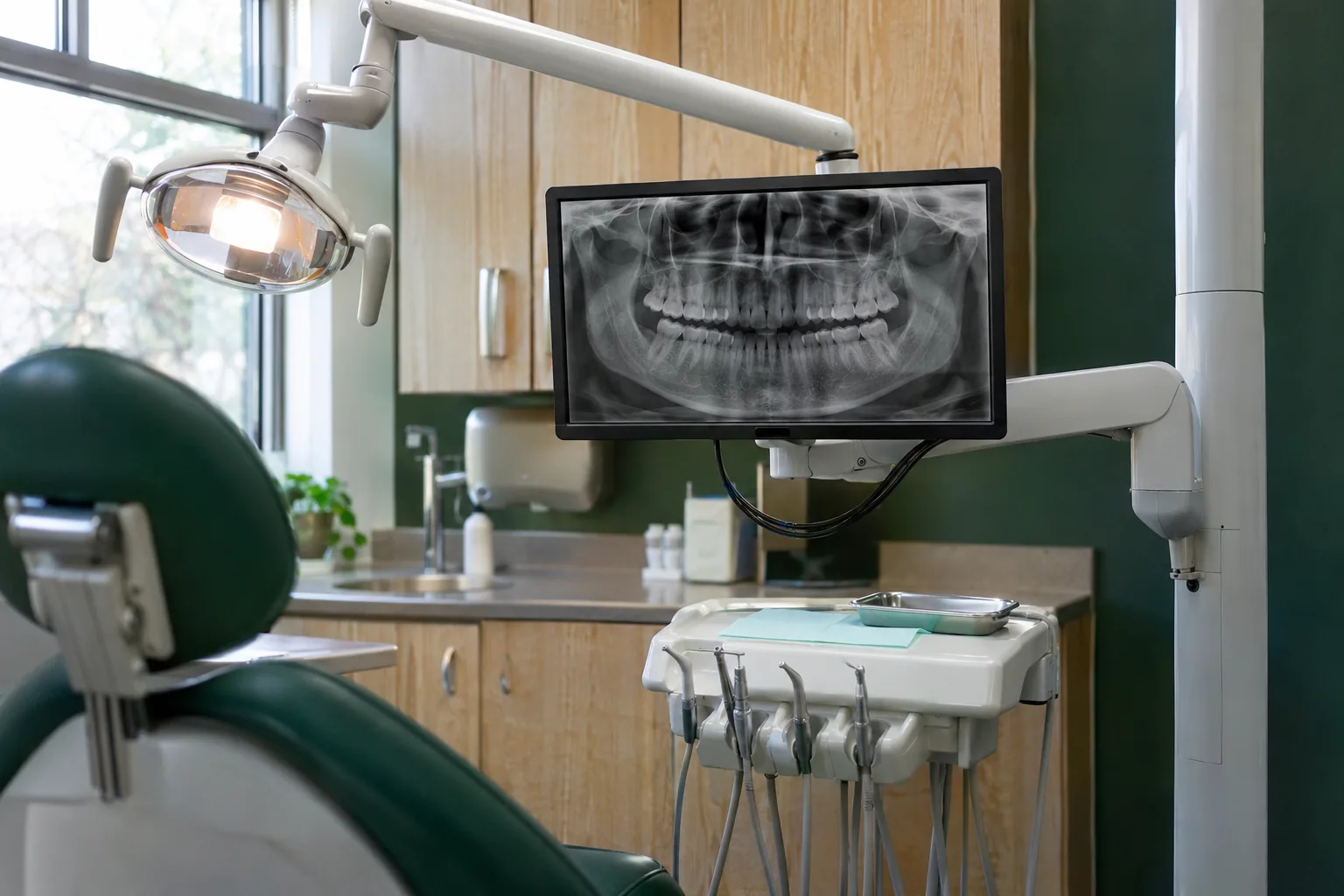
Sometimes saving a tooth isn't possible. It may be broken below the gumline, too decayed to repair, badly infected, or loose from advanced gum disease.
We numb the area thoroughly before we start. You'll feel pressure, but you shouldn't feel pain.
Healing and aftercare
You'll go home with clear written instructions. In short: bite on gauze to control bleeding, skip straws and smoking for a few days, eat soft foods, and keep the area clean.
Let us know if the pain gets worse after a few days instead of better, or if swelling increases.

What comes next
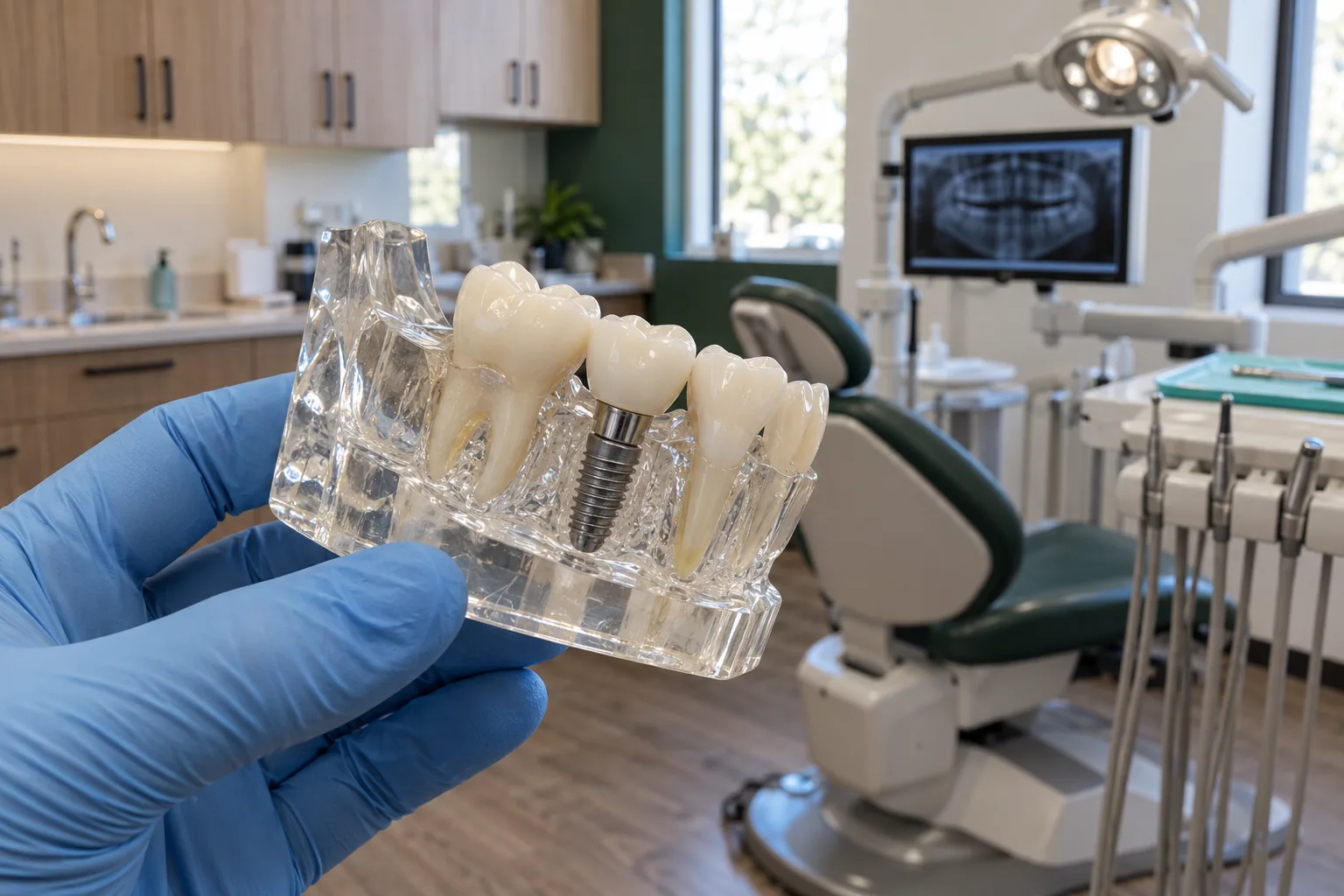
Once you've healed, we'll talk about replacing the tooth with an implant crown, a bridge or a partial.
Questions
Common questions
Will it hurt?
The area is fully numb. You'll feel pressure during the extraction. Afterward, most people manage soreness with over-the-counter pain relievers as directed.
How long does healing take?
The gum usually feels much better within a week or two. The bone underneath keeps healing for a few months. That timeline depends on proper aftercare, like avoiding smoking and using straws.