
Services
Preventive Care
Regular cleanings, exams, x-rays and oral cancer screenings catch small problems before they become big ones, so nothing goes unnoticed and you always know where you stand.
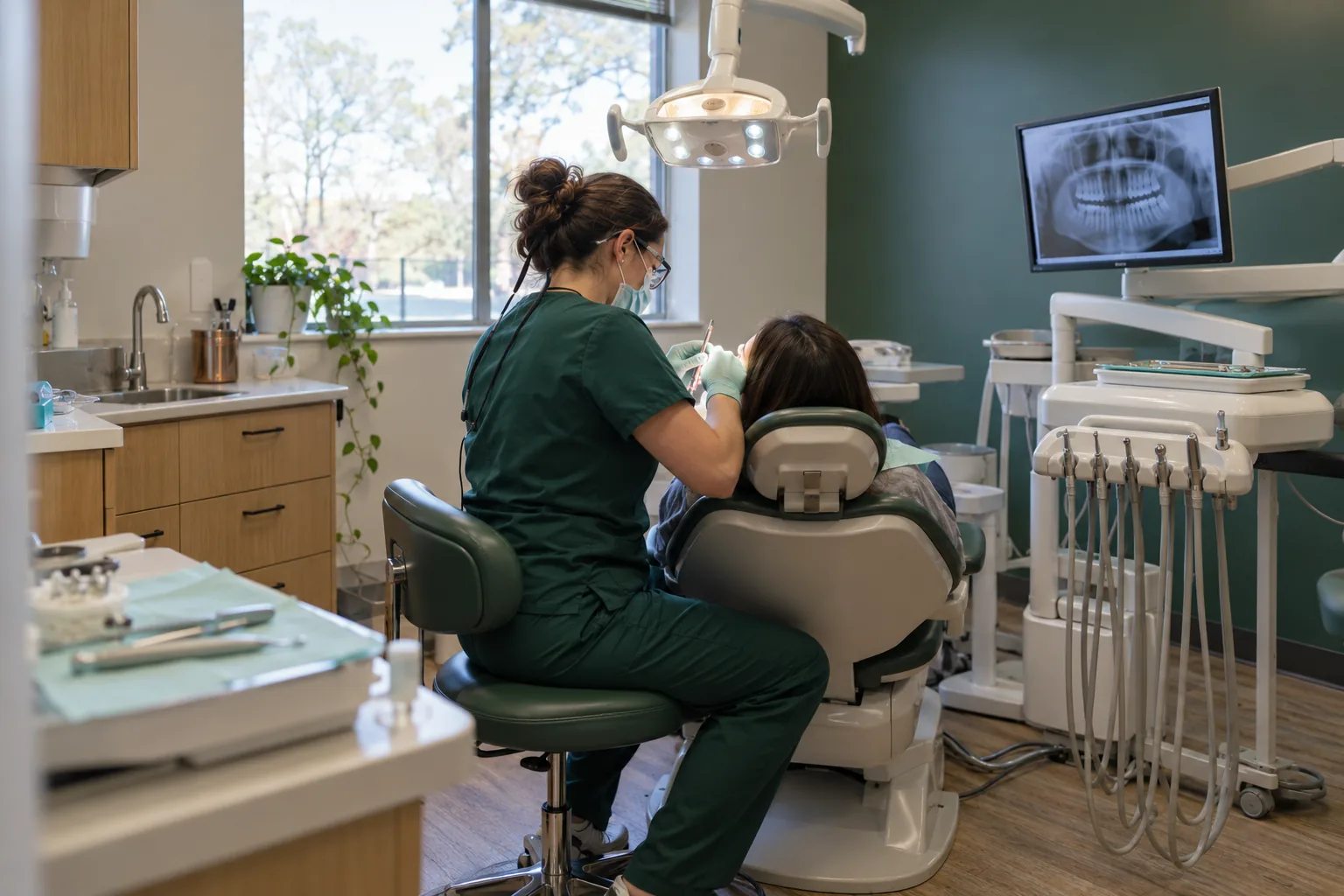
Oral cancer screenings
Every cleaning visit includes an oral cancer screening. We check your gums, lips, tongue, the back of your throat, and the rest of your mouth and neck, looking and gently feeling for anything unusual.
It takes a couple of minutes and doesn't hurt, and it helps us treat any conditions early on.
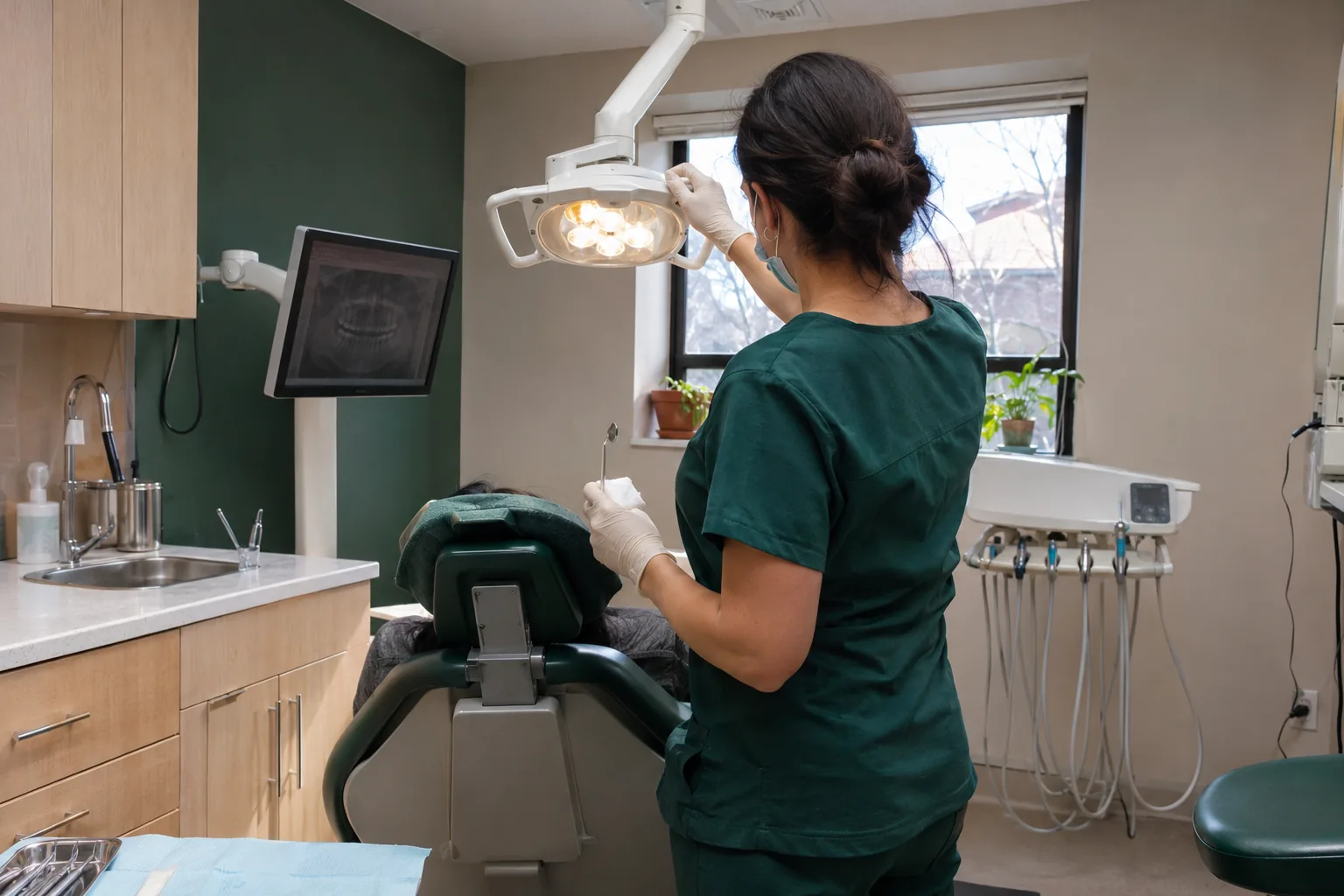
Adult prophy
An adult prophylaxis is a routine cleaning for adults with healthy gums. We remove plaque and calculus from above the gumline and polish your teeth smooth. Most patients have this done every 6 months to keep their gums healthy and catch small problems early.
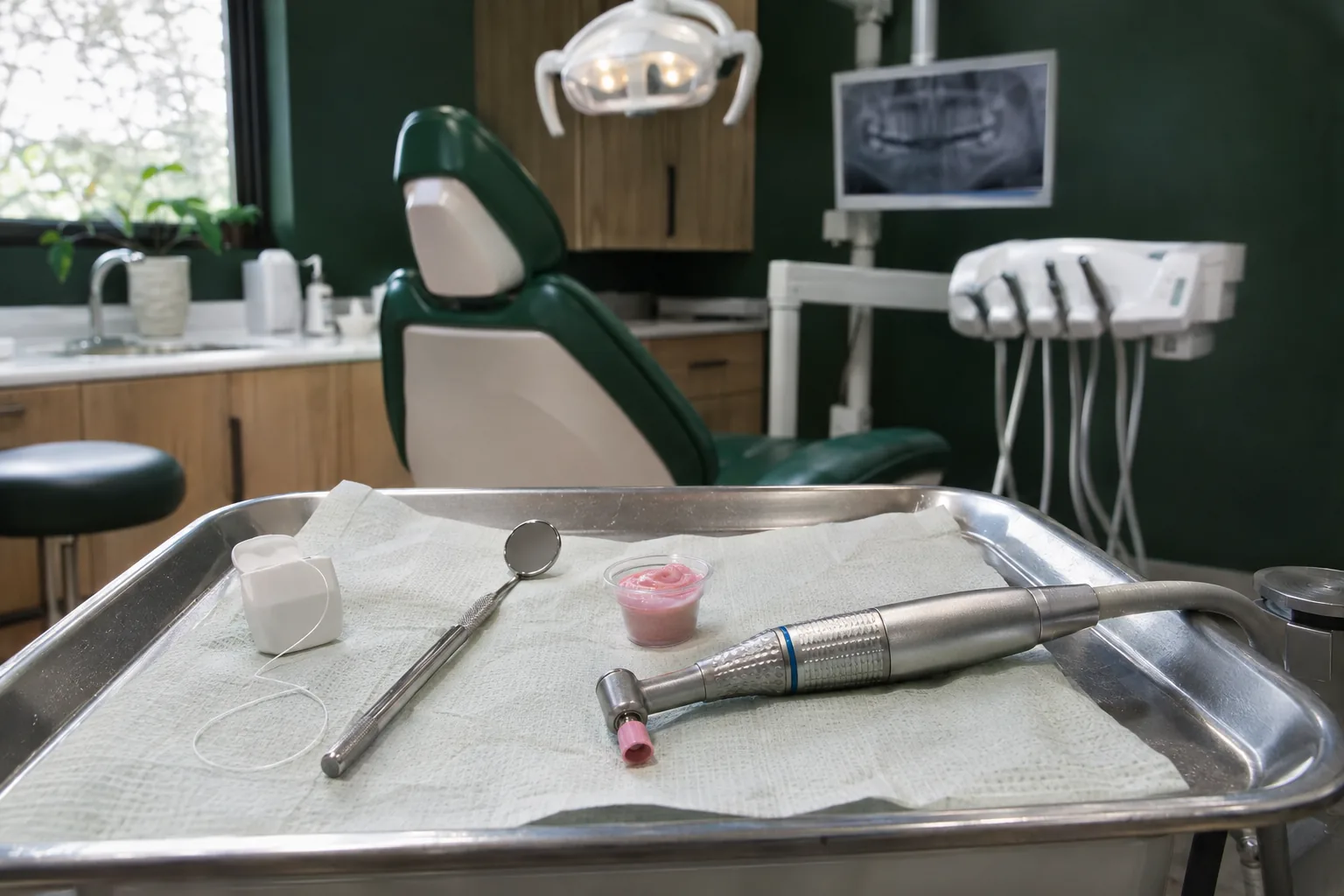
Pediatric prophy
When is the best time to bring your child in? By age 1, or when their first tooth comes in. These early visits are mostly about getting comfortable sitting in the chair, meeting the team, and learning that the dentist isn't scary. We also go over diet and brushing and flossing habits with you and your child, and what to expect as their teeth come in. Starting early makes the dentist a normal, easy part of their routine.
As your child grows, this is the most important time to step in. We monitor their growth patterns and make sure any treatment they need happens early, because the best time to guide teeth is while they're still developing.
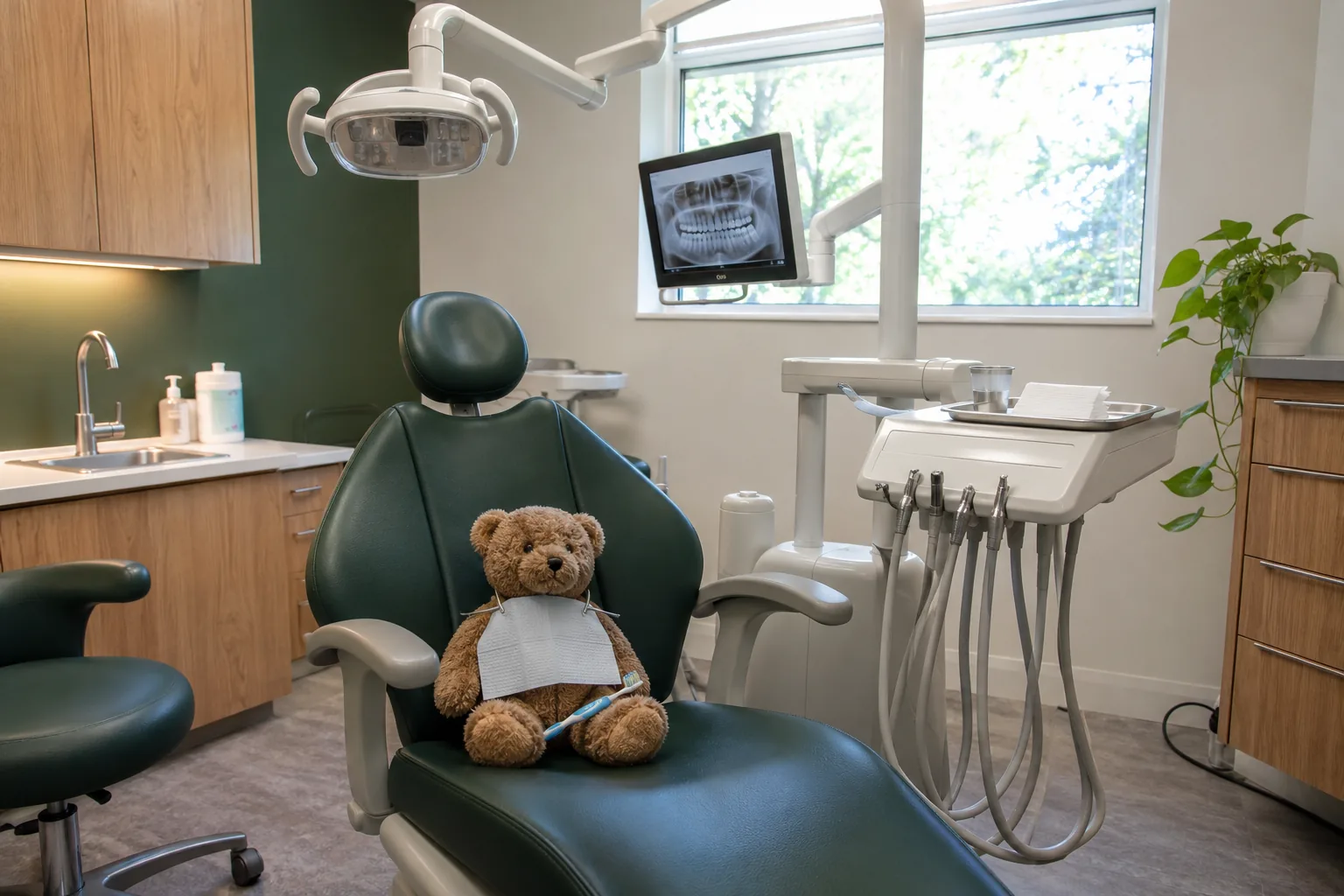
Scaling and root planing (SRP)
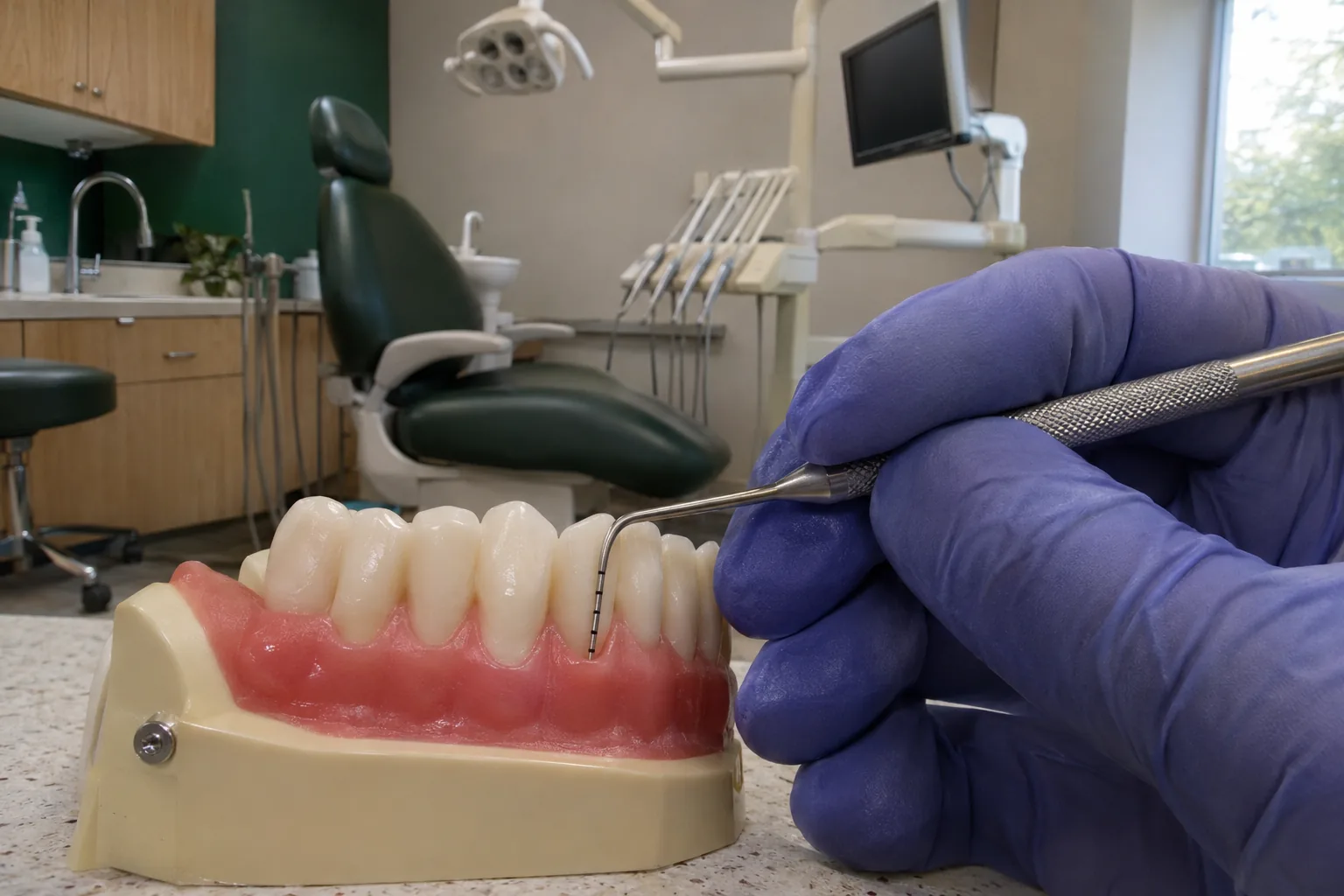
When cleanings are skipped, plaque and calculus build up in places a toothbrush can't reach, and where a regular cleaning can't either. Over time that buildup irritates the gums, causing them to pull away from the teeth and form deep pockets, and the bone holding the teeth in place starts to break down. Left untreated, teeth can loosen and eventually be lost. That's periodontal disease. Once a year, we take new pocket measurements to track how things are progressing.
A deep cleaning, called scaling and root planing (SRP), cleans those root surfaces so the gums can heal and tighten back up. With proper home care, that helps you keep your teeth long term. The area is numbed first, so it's painless.
We usually treat one side of the mouth at a time, over two visits.
Periodontal maintenance
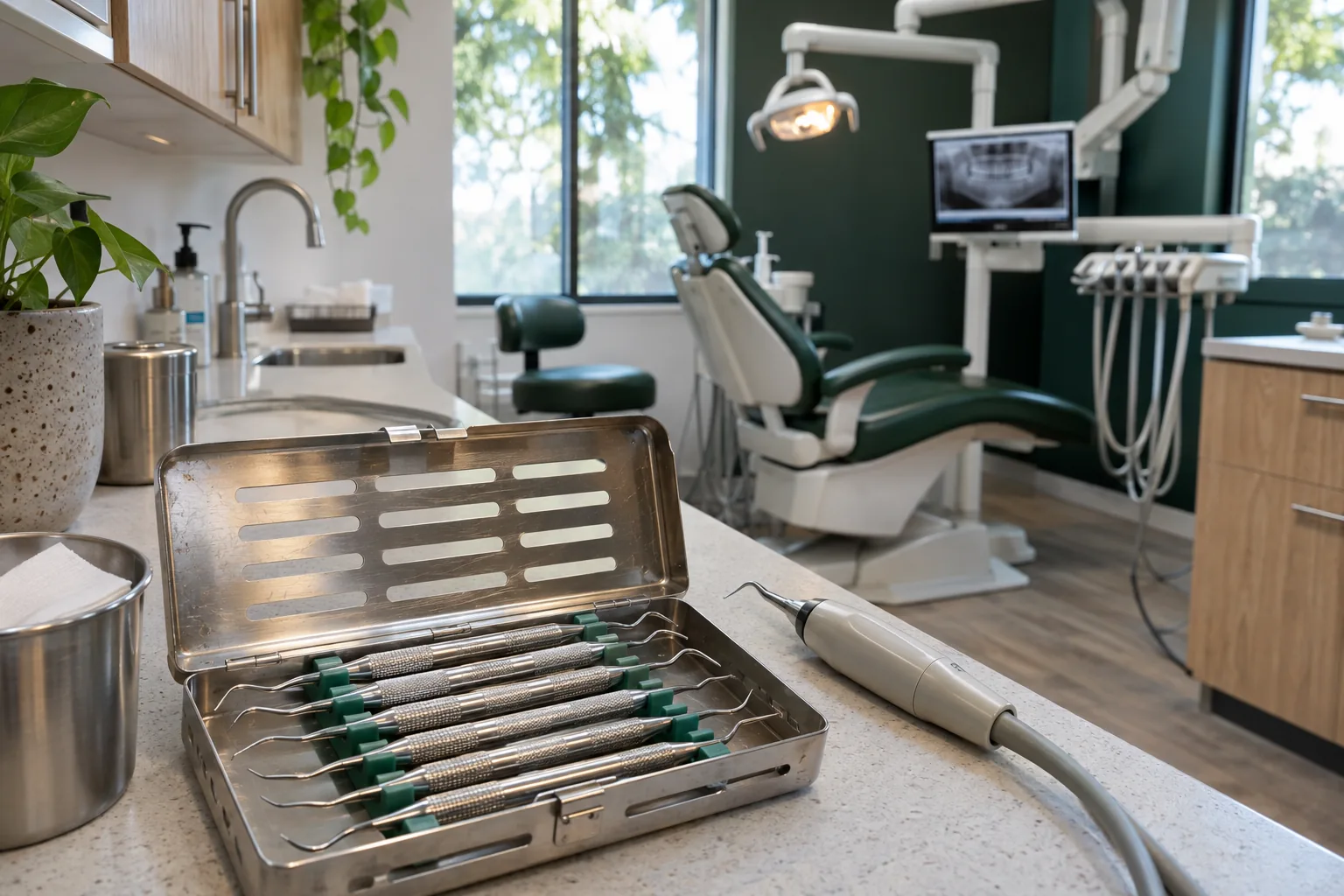
After a deep cleaning, periodontal maintenance helps stabilize and improve gum disease. These visits are usually every three to four months, and they go deeper than a regular cleaning. We check how your gums and bone are responding to the deep cleaning and to your home care.
It's ongoing care, it's a team effort, and it's what keeps your teeth stable long term. If you fall off schedule, the buildup comes back and you may need another deep cleaning, so staying on track is what keeps the disease from progressing.
Questions
Common questions
Why do I need a deep cleaning instead of a regular one?
A regular cleaning works above the gumline. When there's buildup and infection below the gumline, a deep cleaning is the only way to reach it and stop gum disease from getting worse.
How often should I have my teeth cleaned?
Every 6 months is typical, but some patients come in every 4 months. It really depends on your home care. After a deep cleaning, periodontal maintenance cleanings more commonly occur every 3-4 months, but we'll build a plan around your needs.
When should my child first see the dentist?
By age 1, or when their first tooth comes in.